Skip to content

Trend Receipt · Rice water (and fermented rice water) as a toner

Rice water for skin: glass-skin secret or nice-smelling water?

Rice water toners and DIY ferments are everywhere. What's actually in it, what small studies found, and how to try it without the risks.

Updated
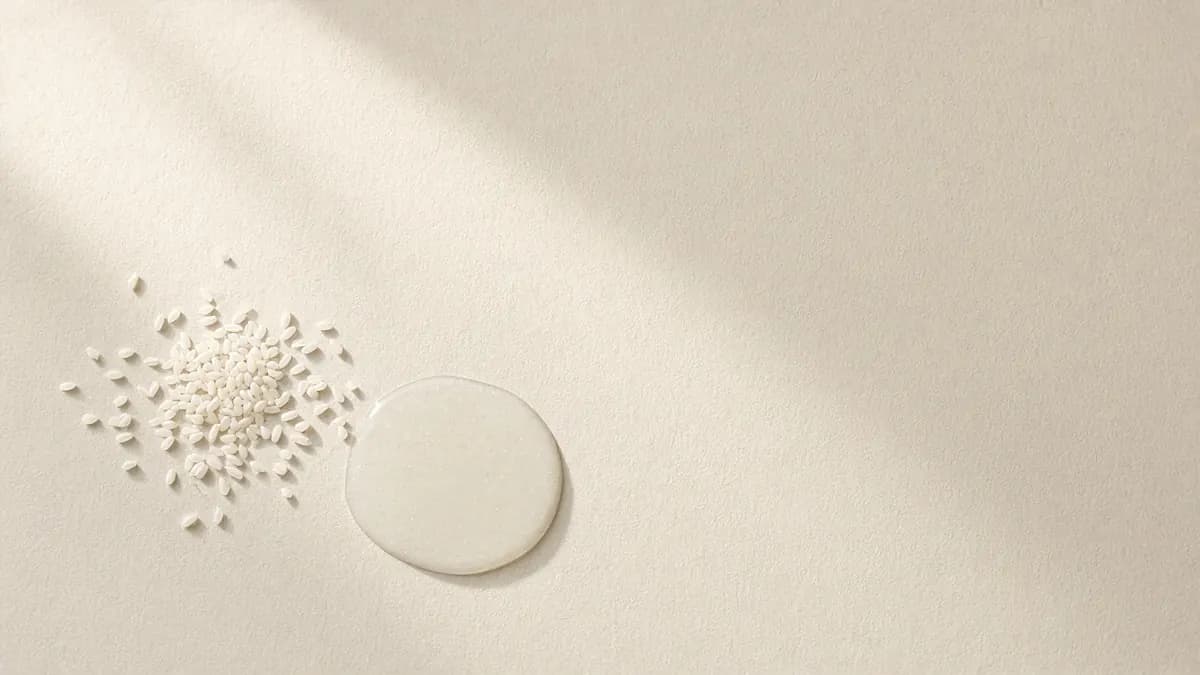
Scattered white rice grains beside a pool of cloudy rice water
Illustrative image

01 · The trend

A long-standing traditional practice now trending as DIY ferments and “rice toners”.

02 · The claim

“Rinsing or toning with rice water brightens skin, fades dark spots and gives a “glass skin” glow.”

03 · What the evidence says

  • Rice water contains starch plus small amounts of compounds such as inositol, ferulic acid and other antioxidants. The amounts in homemade water are unknown and vary.
  • A small controlled study found a rice-starch bath helped the skin barrier recover after irritation in healthy volunteers and people with eczema-prone skin.
  • Lab and small cosmetic studies suggest antioxidant activity, but there's no good human evidence that rice water fades dark spots.
  • Home-fermented rice water can grow bacteria and moulds; it isn't standardised or preserved.

04 · The verdict

limited evidence

Gentle and probably harmless as fresh, plain rice water; the brightening and spot-fading claims aren't backed by human studies.

05 · Watch-outs

  • Don't keep homemade ferments at room temperature for days; discard if it smells sour or off.
  • For dark marks, sunscreen and studied actives do more than rice water will.

The Receipt

  1. 01Rice starch may soothe and support the barrier a little.
  2. 02No good evidence it fades dark spots.
  3. 03If you try it: fresh, plain, refrigerated, short-lived.

Check it against your skin

Wondering if rice water (and fermented rice water) as a toner fits your routine? Ask Receipt, or do a guided scan so it can see what you're working with.

FAQ · Quick answers

Does rice water lighten skin or fade dark spots?
There's no good human evidence for that. For dark marks, daily sunscreen plus ingredients like azelaic acid or niacinamide have a better paper trail.
Is fermented rice water better?
Fermentation may change its chemistry, but homemade ferments aren't controlled and can grow microbes. A commercial, preserved product is safer if you want to try it.
Can rice water damage skin?
Fresh, plain rice water is usually gentle. Problems come from spoiled ferments or added ingredients like lemon.
Sources (2)
  1. De Paepe K, et al. Effect of rice starch as a bath additive on the barrier function of healthy but SLS-damaged skin and skin of atopic patients. Acta Derm Venereol. 2002;82(3):184–186.
  2. American Academy of Dermatology: public patient education (aad.org).

Your receipt, next

See what your skin is actually asking for.

Scan your skin for free and get a plain-English receipt with the evidence attached. No account needed.

Trend Receipts, by email

Occasional notes, no weekly blast. See our privacy page.