Skip to content

Ingredient Receipt · Tone & dark spots

Niacinamide

INCI: Niacinamide

Vitamin B3. Widely tolerated; modest evidence for uneven pigmentation and barrier support.
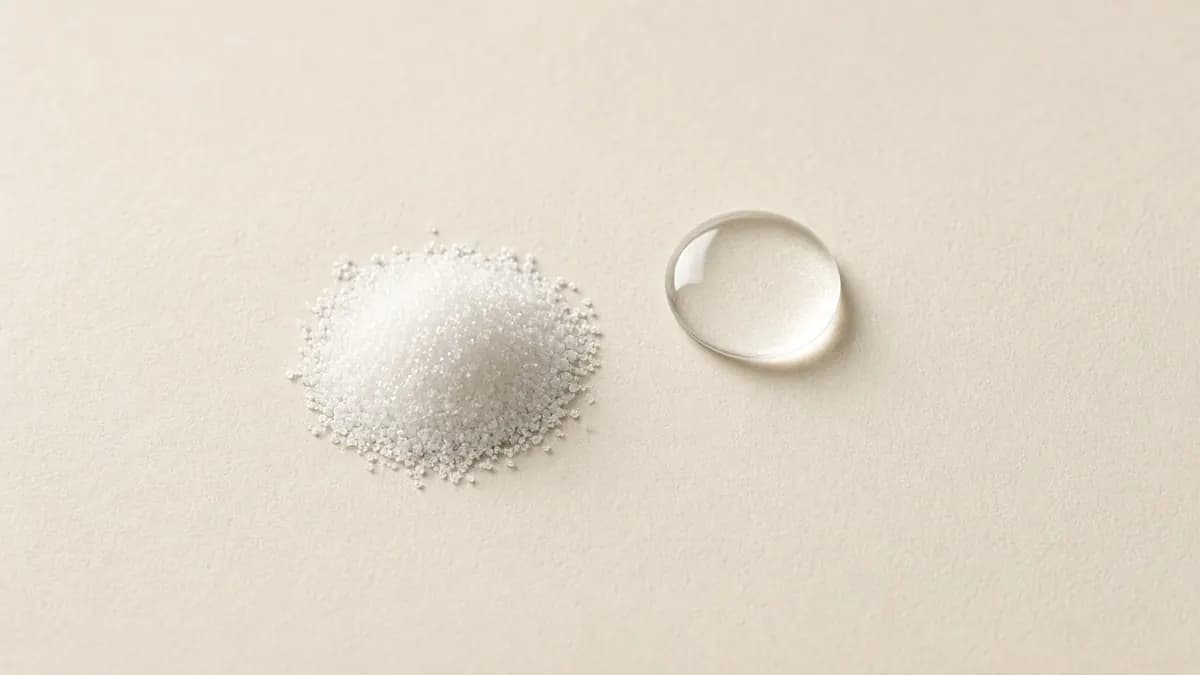
A small mound of fine white powder beside a clear serum droplet
Illustrative image

01 · In plain English

Niacinamide is on a huge number of labels, often at very different percentages. What does it actually do?

02 · What it does

A form of vitamin B3. Lab and clinical work suggests it may reduce the transfer of pigment to surface skin cells rather than stopping melanin production.

It is also studied for supporting barrier function and the overall look of aging skin.

03 · What the evidence says

  • Improvement in the look of uneven pigmentation over weeks.limited evidence
  • Overall appearance of aging skin (tone, texture).limited evidence

04 · Insufficient evidence

  • That higher percentages (e.g. 10–20%) work better. They can irritate some people and are not clearly better.

05 · Compatibility

  • Generally pairs well with most routines, including retinoids and sunscreen.
  • Some people flush or sting with higher concentrations; patch test.

The Receipt

  1. 01A gentle, reasonable supporting step, not a fast fix for dark spots.

Education, not a diagnosis. If something changes quickly, hurts, bleeds, or worries you, see a dermatologist.

Questions people ask

What does niacinamide do for the skin?
It is a form of vitamin B3. Studies suggest modest benefits for uneven pigmentation and the overall look of aging skin, and it is studied for barrier support.
Can I use niacinamide with vitamin C?
Yes. Old warnings were based on outdated chemistry; most people can use them together or at different times of day.
Can I use niacinamide with retinol?
Yes. Niacinamide is generally well tolerated alongside retinoids and may make a routine feel gentler.
Niacin vs niacinamide: what’s the difference?
Both are forms of vitamin B3. Niacinamide is the amide form used in skincare. Oral niacin is known for causing flushing; topical niacinamide is a different situation.
Sources (2)
  1. Hakozaki T, et al. The effect of niacinamide on reducing cutaneous pigmentation and suppression of melanosome transfer. Br J Dermatol. 2002.
  2. Bissett DL, et al. Niacinamide: a B vitamin that improves aging facial skin appearance. Dermatol Surg. 2005.

Your receipt, next

See what your skin is actually asking for.

Scan your skin for free and get a plain-English receipt with the evidence attached. No account needed.

Trend Receipts, by email

Occasional notes, no weekly blast. See our privacy page.