Skip to content

Skin Files · Oiliness & shine

Oiliness and shine: working with your skin's oil, not against it

Why some areas shine by midday, what actually changes oil production, and why stripping skin backfires.

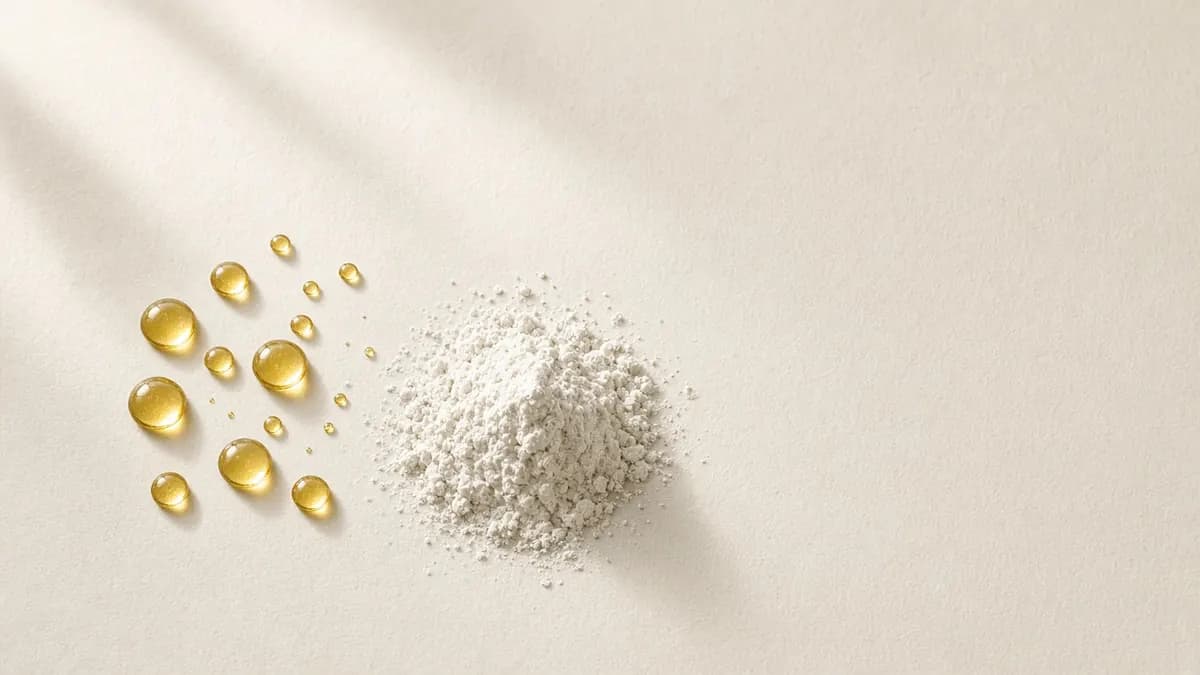
Golden oil droplets scattered beside a mound of white powder
Illustrative image

01 · The problem

A shiny forehead and nose by lunchtime is one of the most common skin complaints. It often comes with the feeling that you need to wash or blot constantly.

02 · The science

Sebum is made by oil glands that are most numerous on the forehead, nose and chin, the “T-zone”. How much you make is shaped by genetics, hormones, age and climate.

Shine is partly how much oil is on the surface and partly how light reflects off it. Heat and humidity can make it more noticeable.

Over-cleansing and harsh, drying products can leave skin tight and irritated without meaningfully changing how much oil it produces.

03 · What might help

  • A gentle cleanser twice a day, and a light, non-greasy moisturizer.well-supported
  • Niacinamide for the look of oiliness.limited evidence
  • Blotting papers or mattifying products for shine during the day.limited evidence

04 · Insufficient evidence

  • Claims that a product will “stop” oil production permanently.
  • Alcohol-heavy toners marketed for oil control. They often dry the surface without lasting change.

The Receipt

  1. 01Some shine is normal skin doing its job.
  2. 02Strip less, moisturize lightly, and judge changes over weeks.
  3. 03Sudden changes in oiliness together with other body changes are worth raising with a doctor.

Sources

Education, not a diagnosis. If something changes quickly, hurts, bleeds, or worries you, see a dermatologist.

Your receipt, next

See what your skin is actually asking for.

Scan your skin for free and get a plain-English receipt with the evidence attached. No account needed.

Trend Receipts, by email

Occasional notes, no weekly blast. See our privacy page.